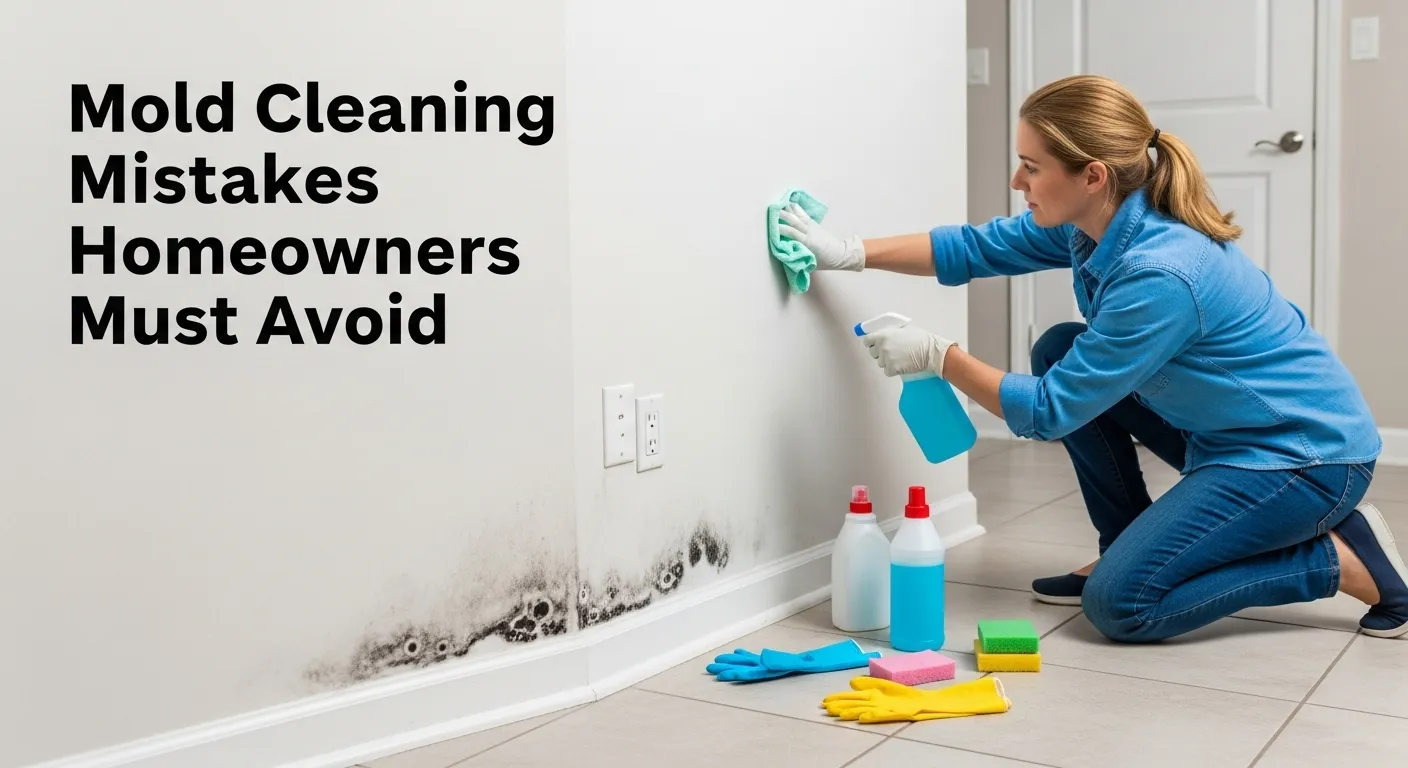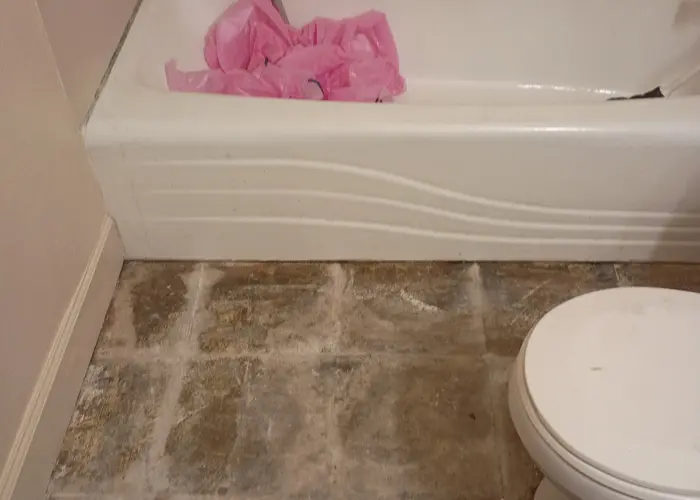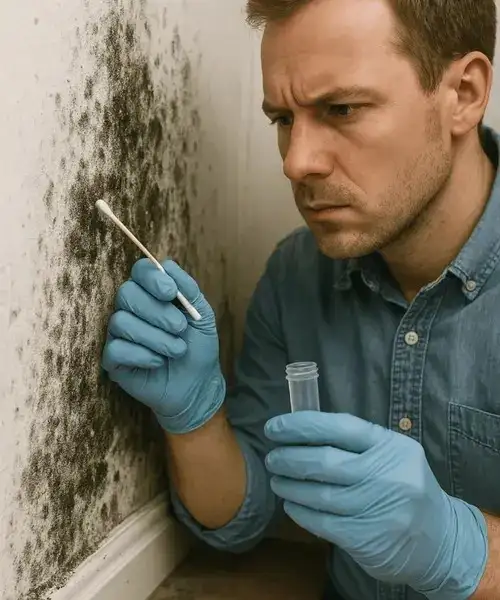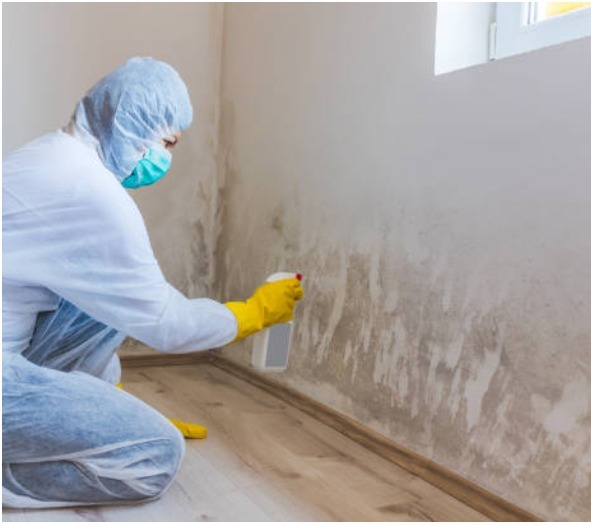
Mold doesn’t just leave stains. It damages walls, weakens structures, and creates health problems. In high-humidity areas or poorly ventilated spaces, it spreads fast—often before you even notice it. Whether you’re building a new home or renovating a commercial space, choosing the right materials is your first line of defense.
In this guide, we’ll explore how mold affects structures, why mold-resistant materials matter, and the top seven building materials that help stop mold before it starts.
Understanding How Mold Affects Structures and Home Construction
Mold is a silent destroyer. It thrives in damp, dark environments, feeding on materials like wood, drywall, and insulation. In homes and buildings, these materials are everywhere. Once mold takes hold, it spreads quickly and can eat away at your building’s core.
Structural Risks
When mold breaks down organic materials, it weakens the integrity of your structure. Walls bow. Wood rots. Paint peels. If left untreated, mold can cause floors to sag and ceilings to collapse. These issues aren’t just cosmetic—they’re expensive and dangerous.
According to the U.S. Environmental Protection Agency (EPA), mold remediation can cost anywhere from $500 to $6,000, depending on the severity. In extreme cases, full demolition is the only option.
Health Hazards
Mold spores trigger allergic reactions, asthma, and other respiratory issues. According to CDC indoor mold can cause coughing, sneezing, wheezing, and even long-term lung problems in sensitive individuals.
Children, seniors, and those with existing conditions are especially at risk. In commercial buildings, this means liability issues and potential lawsuits if mold isn’t managed properly.
What Are The Key Benefits of Mold-Resistant Materials
Building with mold-resistant materials isn’t just a safety measure—it’s a smart investment. These materials are designed to perform in moisture-rich environments where traditional products often fail. They don’t just resist mold—they help you avoid future damage, protect your health, and save money over time.
1. Health Protection for Occupants
According to the World Health Organization, indoor dampness and mold increase the risk of respiratory conditions by 30% to 50%. Using mold-resistant insulation, drywall, and flooring helps block mold at the source—before spores become airborne. This creates a healthier living and working environment, especially for children, the elderly, and anyone with asthma or allergies.
2. Longer-Lasting Structures
Mold weakens materials by breaking down fibers and surfaces. Over time, this leads to warping, crumbling, and rot. Mold-resistant materials—like paperless drywall or treated wood—retain their integrity longer under moisture stress. That means fewer repairs, lower maintenance costs, and stronger, longer-lasting homes and buildings.
3. Lower Maintenance and Remediation Costs
Once mold sets in, removing it can cost thousands of dollars. Preventing mold growth from the start is far more affordable. Mold-resistant materials help minimize risk and reduce the need for mold remediation, repainting, or structural repairs.
This is especially important in commercial properties, where downtime and repair delays can affect business operations.
4. Boost in Property Value
A mold-free property is more appealing to buyers, tenants, and inspectors. In fact, many modern building codes and green certification programs now recommend or require mold-resistant materials—especially in humid climates like Florida or coastal states.
Using these materials during construction or renovation can raise resale value and make your property easier to insure.
Top 7 Mold-Resistant Materials
Below are seven highly effective mold-resistant options that are trusted in both residential and commercial construction. Let’s explore one by one!
1. Mold-Resistant Wood Products
Traditional wood is vulnerable to mold. It soaks up moisture and offers the perfect surface for spores to grow. But mold-resistant wood is different. These wood products are chemically treated to resist both moisture and fungal growth. According to the Forest Products Laboratory under the USDA, treated wood has a longer life expectancy and improved resistance in wet environments.
2. Mold-Resistant Insulation
Insulation traps heat—but it can also trap moisture if it’s not designed properly. That moisture becomes a breeding ground for mold. Mold-resistant insulation prevents this by using non-organic, water-resistant materials.
3. Mold-Resistant Drywall
Drywall is one of the most mold-prone materials in a home. Traditional drywall has a paper face, which mold loves. Mold-resistant drywall replaces the paper with fiberglass, making it highly water- and mold-resistant.
4. Ceramic and Porcelain Tile Solutions
Tiles are non-porous, easy to clean, and naturally resistant to mold. That makes them perfect for wet areas like bathrooms, kitchens, and commercial washrooms.
Both ceramic and porcelain tiles meet ANSI A137.1 standards for water absorption—ensuring top performance in humid environments.
5. Mold-Resistant Paint and Coatings
Paint doesn’t just add color. It can also protect surfaces from mold—if it contains the right additives. Mold-resistant paints are specially formulated with antimicrobial agents that prevent fungal growth.
6. Composite Decking and Trim Materials
Outdoor wood is constantly exposed to moisture. Composite decking offers a smarter solution. It’s made from a mix of recycled plastics and wood fibers—and it’s built to resist mold, insects, and rot.
7. Mold-Resistant Carpet and Flooring Options
Carpets can trap moisture and turn into a mold magnet. But newer carpets and flooring options are built differently. They use synthetic, moisture-wicking fibers and antimicrobial padding to resist fungal growth.
Conclusion
The best defense is prevention. And mold-resistant materials make that possible. Mold-resistant materials aren’t just for damp basements or tropical climates. They’re a smart choice for every home and commercial building—especially in areas where moisture is a constant threat. By investing in these materials from the beginning, you reduce long-term damage, protect indoor air quality, and avoid expensive remediation down the road.
FAQs
How does mold damage home structures?
Mold weakens the materials it grows on. It breaks down wood, drywall, insulation, and carpet. Over time, it causes sagging floors, crumbling walls, and foul odors. In severe cases, structural integrity is compromised—especially when the infestation is hidden behind walls or under floors.
What makes paint effective against mold?
Not all paint prevents mold. Mold-resistant paint contains antimicrobial additives that stop mold and mildew from growing on the painted surface—even in high-moisture areas like bathrooms or laundry rooms.
Can mold-resistant materials be used in renovations?
Absolutely. Mold-resistant drywall, flooring, and insulation can replace older materials during remodels. They’re especially useful in basements, bathrooms, and kitchens. If you’re renovating after a mold problem, these materials help ensure it doesn’t return.